In the world of photography and videography, stability is paramount. Whether you’re capturing breathtaking landscapes or shooting a dynamic video, the right tripod can make all the difference. At lenscraftartstudio.com, we understand the importance of having reliable equipment, and today, we’re diving deep into the best tripods available to ensure your shots are as stable as possible.
When it comes to tripods, there are several factors to consider: height, weight, material, and head type. Each of these elements plays a crucial role in how well your tripod performs in various situations. Let’s break down what you need to know to make an informed decision.
**1. Height Matters**
The height of your tripod is essential. A tripod that’s too short can lead to awkward angles and uncomfortable shooting positions. Conversely, a tripod that’s too tall can be cumbersome to carry. Look for a tripod that can extend to your eye level while also being compact enough for travel. Many tripods offer adjustable legs, which can be a game-changer for versatility.
**2. Weight and Portability**
If you’re a photographer on the go, weight is a critical factor. Carbon fiber tripods are lightweight and sturdy, making them ideal for travel. However, if you’re on a budget, aluminum tripods can also provide stability without breaking the bank. Consider how often you’ll be transporting your tripod and choose accordingly.
**3. Material Quality**
The material of your tripod affects its durability and stability. Carbon fiber is known for its strength and lightweight properties, while aluminum is more affordable and still offers good stability. If you’re shooting in harsh conditions, ensure your tripod can withstand the elements. Look for features like rubber feet for added grip and stability on uneven surfaces.
**4. Head Type**
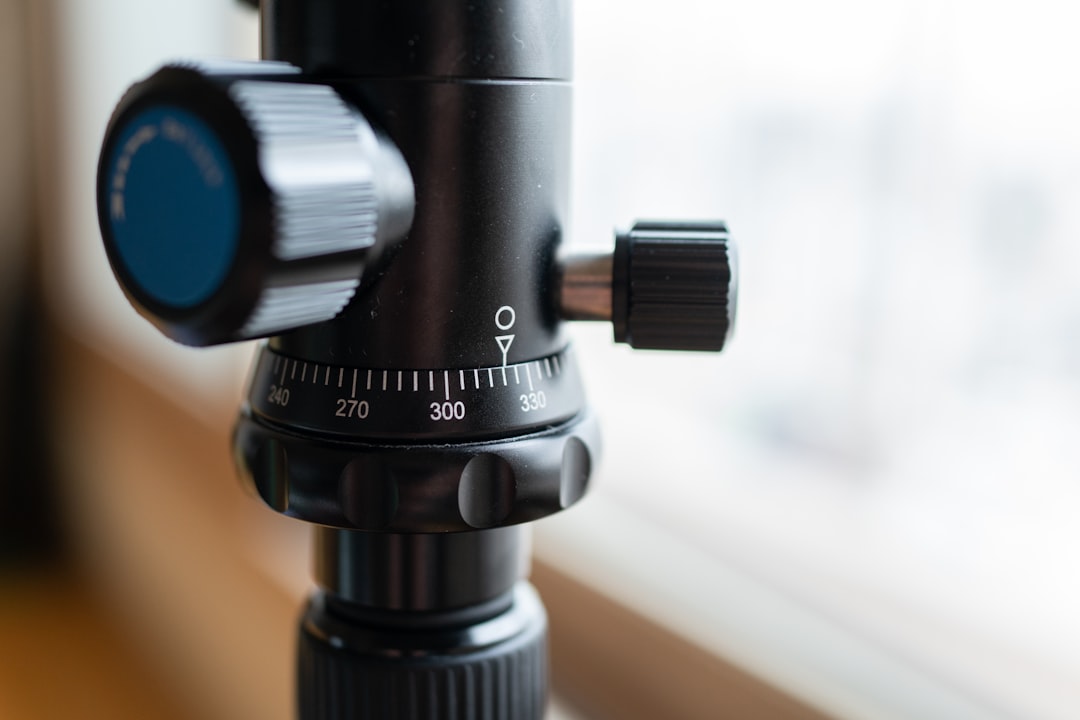
The tripod head is where the magic happens. There are several types of heads, including ball heads, pan-tilt heads, and fluid heads. Ball heads are versatile and allow for quick adjustments, making them popular among photographers. Pan-tilt heads are great for video work, providing smooth movements. Fluid heads are specifically designed for video, offering the smoothest panning and tilting.
**5. Budget Considerations**
Tripods come in a wide range of prices. While it’s tempting to go for the cheapest option, investing in a quality tripod can save you money in the long run. A sturdy tripod will last longer and provide better support for your camera, leading to improved image quality. At lenscraftartstudio.com, we offer a variety of tripods at different price points, ensuring you find one that fits your budget without compromising on quality.
**Quick Wins for Choosing the Right Tripod**
To help you streamline your decision-making process, here’s a quick checklist:
Checklist: Determine your height requirements, Assess weight and portability, Choose the right head type.
**6. User Reviews and Recommendations**
Before making a purchase, take the time to read user reviews. Real-world experiences can provide insights into the tripod’s performance that specifications alone cannot. Look for feedback on stability, ease of use, and durability. At lenscraftartstudio.com, we encourage our customers to share their experiences, helping you make an informed choice.
**7. Try Before You Buy**
If possible, visit a local camera store to test out different tripods. Feel the weight, adjust the height, and see how easy it is to operate the head. This hands-on experience can be invaluable in determining which tripod feels right for you.
**Conclusion**
Choosing the right tripod is an essential step in enhancing your photography and videography skills. By considering height, weight, material, head type, and budget, you can find a tripod that meets your needs. At lenscraftartstudio.com, we’re dedicated to providing you with the best photography equipment, including a wide selection of tripods that cater to every photographer’s needs. Remember, a stable shot is just a tripod away!